
mother and baby therapy for manual therapists
A Comprehensive Online Training Programme
with John Wilks MA BTAA

This course gives Bowen practitioners and manual therapists the practical, hands-on skills needed to work confidently with babies and their parents.
You will gain a thorough understanding of prenatal and postnatal influences on infant behaviour and functioning, along with effective therapeutic techniques rooted in fascial and craniosacral approaches.
Who Is This Course For?
This course is ideal for Bowen therapists, craniosacral therapists, osteopaths, chiropractors, massage therapists, and other manual/bodywork practitioners who want to expand their practice to include work with babies, mothers, and families. It is also suitable for midwives, doulas, lactation consultants, and early-life professionals seeking hands-on therapeutic skills.
Watch Course Introduction
Please click the image above to view the video.
The Aims Of This Progressive Training Course
To equip practitioners with the foundational skills needed to create a safe therapeutic environment and to understand the key anatomical and somatic relationships in pregnancy and early life.
To develop practitioners’ understanding of the infant nervous system, the physiology of birth, and targeted hands-on techniques for the neck, cranium, and shoulder girdle.
To strengthen practitioners’ communication and consultation skills and to build a thorough understanding of prenatal influences and the effects of common birth interventions
To enable practitioners to recognise and respond to birth trauma, support bonding and lactation, and provide skilled postnatal care for mother and baby.

Course Structure

The programme is designed as a progressive training: each part builds on the last, so you can study at your own pace while steadily deepening your clinical competence.
Every module blends theory with supervised practical work, and includes time for personal process and integration.
Session Modules - Learning Outcomes
Module 1

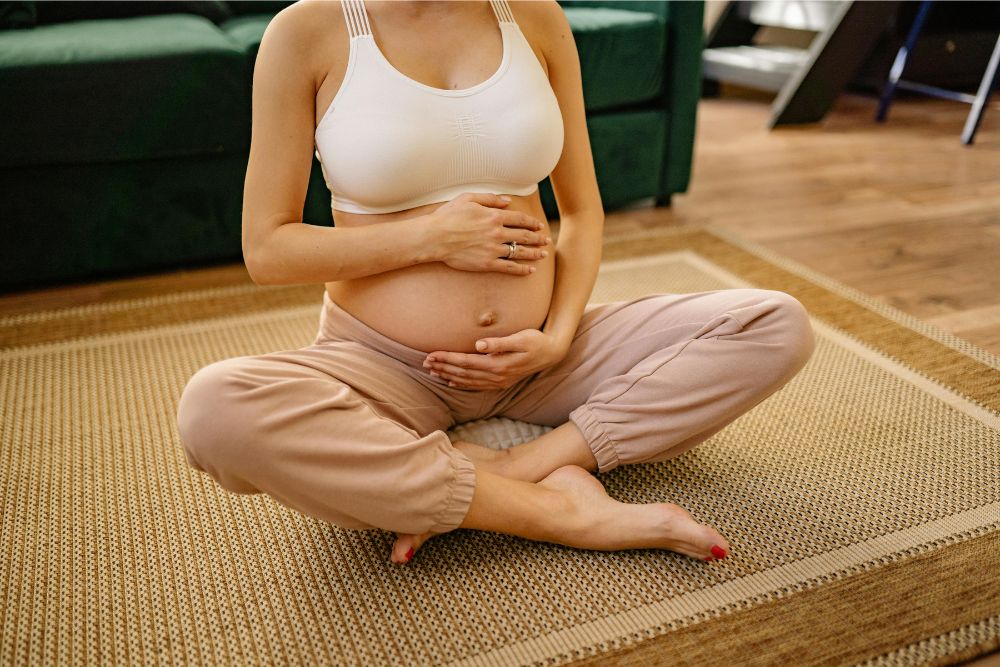
Therapeutic Foundations & The Body in Pregnancy
- Establish a centred, embodied therapeutic presence and create a safe, trusting space for mother, baby, and family members.
- Demonstrate an understanding of the anatomy of pregnancy and birth, including birth lie, conjunct sites, and key anatomical landmarks.
- Apply basic Bowen and fascial techniques appropriate for both mother and baby, with an emphasis on the role of the psoas and its somatic connections.
- Explain the concept of Optimal Foetal Positioning and use manual therapy principles and ergonomic guidance to support it, including the top/bottom relationships (psoas/neck, pelvic floor/mouth, pelvis/TMJ).
Module 2
The Nervous System & The Birth Process
- Describe how prenatal stress may present in babies postnatally and apply Polyvagal Theory to clinical work with mothers and infants.
- Assess and palpate the atlas, axis, occiput, temporal bones, TMJ, and hyoid in babies, and apply appropriate Bowen and fascial release techniques.
- Explain the clinical significance of cord clamping, placental delivery, vagal development, and the microbiome in relation to infant conditions such as colic.
- Outline the stages of birth as described by Emerson, Sills, and Castellino, and understand the dural tube connections between sacrum, neck, and occiput in both mother and baby.
Module 3
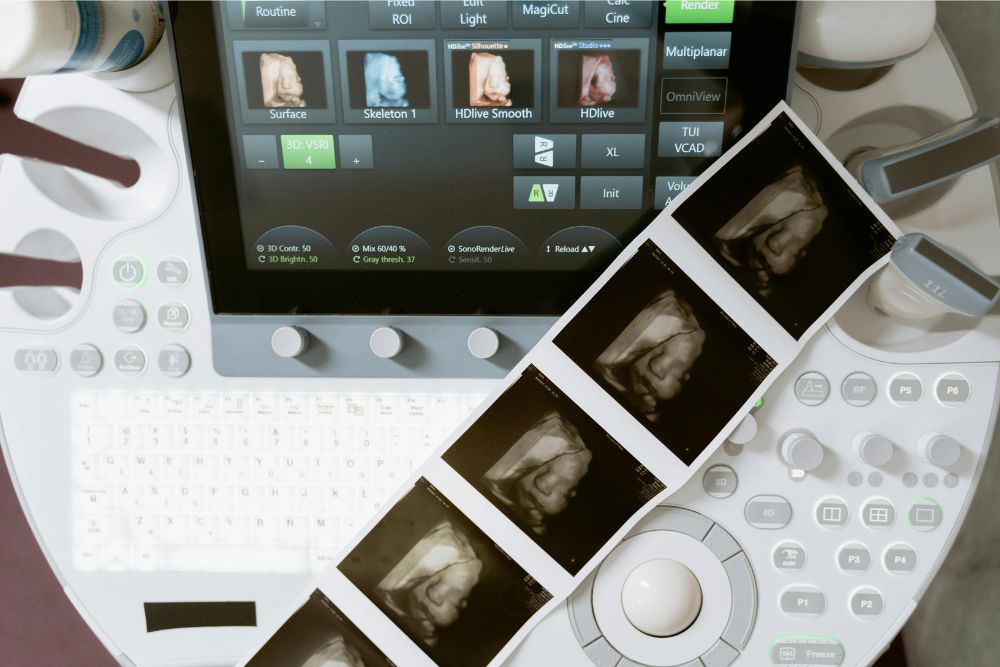
Communication, Prenatal Influences & Interventions
- Conduct a sensitive first consultation using skilled listening and languaging techniques, including working with parental shame, guilt, and disappointment around birth experiences.
- Identify transgenerational, pre-conception, and prenatal influences on infant health and behaviour, and offer appropriate pre-conception and prenatal support.
- Explain the principles and potential ramifications of common birth interventions (epidurals, induction, augmentation, caesarean section, ventouse, and forceps), including the mechanical forces experienced by the baby.
- Assess plagiocephaly and variations in babies’ head shapes, and understand the scope of practice and legal considerations when advising families
Module 4
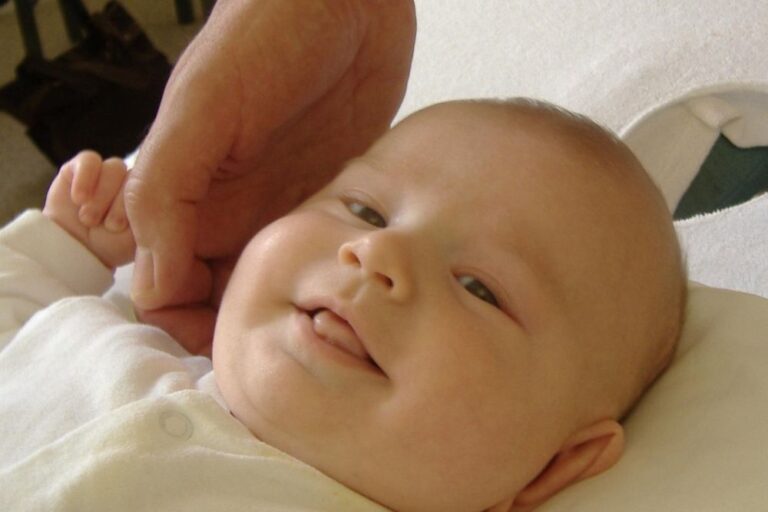
Birth Trauma, Bonding & Postnatal Recovery
- Recognise signs of birth trauma in infants through body language and behavioural cues, and identify maternal and infant dissociation during treatment.
- Support lactation practically, including an informed understanding of tongue tie and the ability to navigate conflicting clinical opinions and appropriate referral pathways.
- Understand the importance of early bonding, skin-to-skin contact, and the uninterrupted birth, and apply knowledge of primitive and retained reflexes to clinical assessment.
- Provide postnatal recovery support including pelvic floor guidance, practical scar work (caesarean and lumbar), microbiome support after antibiotics or caesarean birth, and the skill of reading the mother’s autonomic nervous system to recognise integration cues.
COURSE PRICE – £160
Life-time access to course videos
PURCHASE INDIVIDUAL SESSIONS
Life-time access to course videos

John Wilks
John Wilks has been practising the Bowen Technique and Craniosacral Therapy full time since 1995.
He is a former chairman of the Bowen Association of the UK, the Craniosacral Therapy Association of the UK and the Cranial Forum, the lead body established to oversee the implementation of national standards of practice for the profession in the UK.
He is a former examiner for the University of Oxford examinations board and is advisor on education and training for the Bowen Forum under the Prince of Wales’ Foundation for Integrated Health.
John was accredited by the Bowen Therapy Academy of Australia to teach the Bowen Technique in 1999 and has since then, taught in many countries throughout the world.
He also lectures complementary practitioners on pregnancy and childbirth all over the world. He is the author of four books on complementary therapies and developed a specialised Craniosacral training course for midwives which was the first of its kind to be accredited by the Royal College of Midwives.